
What a Dinner Seminar Actually Costs, and the Bet You Are Placing When You Book One
A seminar is not expensive because of the steak. It is expensive because you commit the entire budget before you know whether a single qualified person will walk through the door.
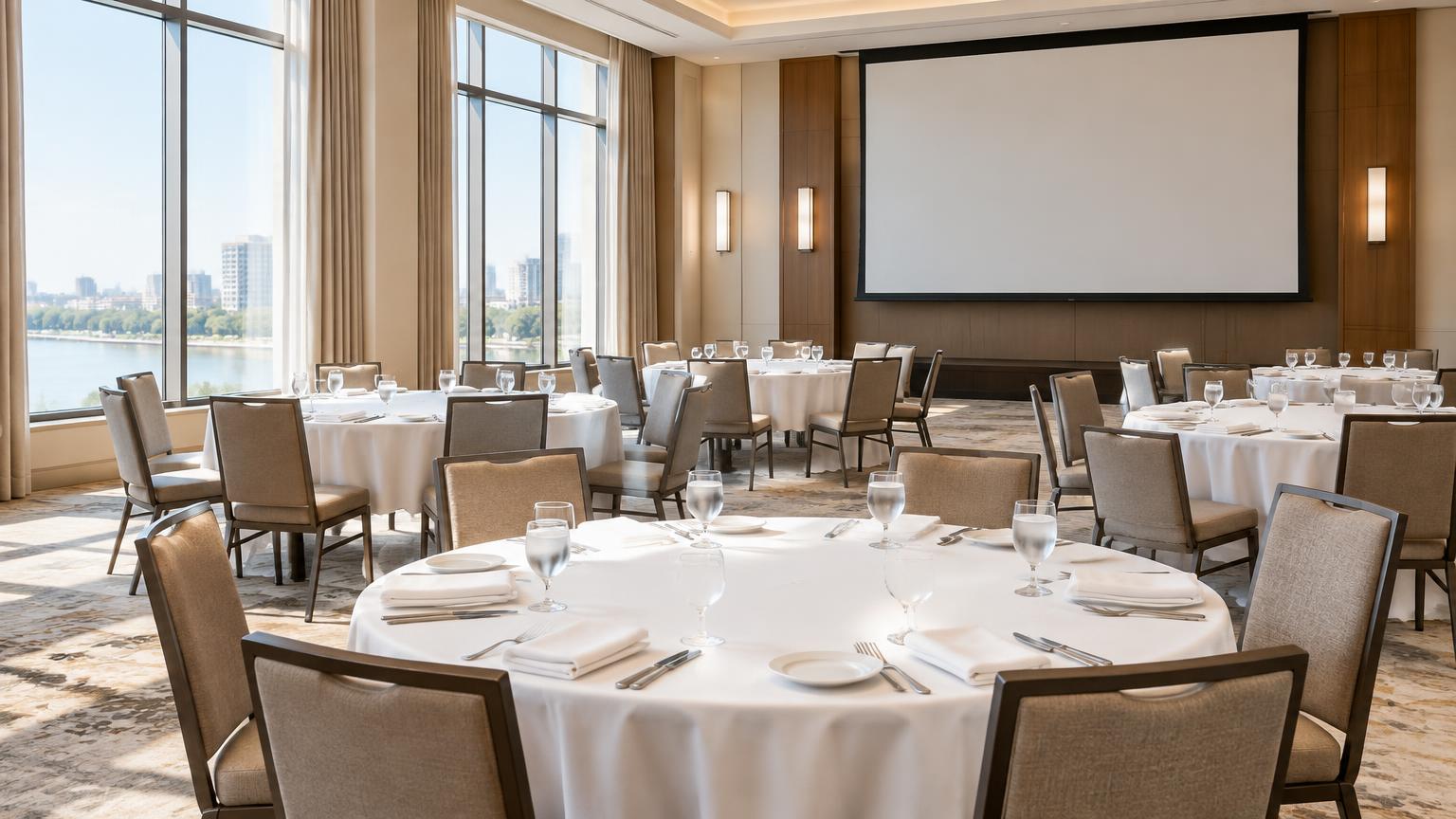
Dinner seminars still work. Producers have built entire books on them, and in the right market with the right list they produce cases at a cost per client that appointments struggle to beat.
They also lose people five figures in an evening, and when that happens it is almost never the presentation's fault. It is the arithmetic that was settled weeks before anyone sat down.
Where the money goes
Typical ranges for one event aiming at twenty five to thirty five buying units, where a buying unit is a household and a couple counts once.
Direct mail, roughly $4,000 to $8,000. The dominant cost and the one that decides everything. You are mailing several thousand pieces to fill one room, and response on annuity invitations is usually a fraction of a percent.
Venue and meal, roughly $2,500 to $4,500. Per plate costs plus a room minimum. Note what you are paying for: reservations, not attendance. A meaningful share of reservations never arrive and you are charged for them anyway.
Materials, audio visual and staff, roughly $500 to $1,200. Workbooks, a projector, someone on the door, someone making calls afterwards.
Confirmation calls, roughly $200 to $600. The easiest line to cut and the most expensive one to skip.
Call it $8,000 to $14,000 for one evening, committed before you know anything.
The chain that decides whether it worked
Filling the room is not the finish line. Run your own numbers all the way through, because every stage multiplies.
Pieces mailed, then response rate, then reservations, then how many actually attend, then how many book a follow up, then how many of those keep it, then how many write.
Each stage is a percentage of the one before it. A respectable looking number at every step still compounds down to a handful of cases, and a single weak step wrecks the whole chain.
Do that calculation with your own last three events rather than with industry averages. The averages are not your zip codes.
The three places it breaks
The response rate. This is the one that kills events. Your mail cost is fixed whether the room fills or not, so a response rate that drops by a third does not reduce your spend at all. It just raises your cost per case by half, and you find out two weeks after you have already paid.
The plate fillers. A full room is not a qualified room. People who came for dinner are a cost, not a pipeline, and nothing about the evening filtered them. The filters that matter are the same ones that matter on any annuity meeting: assets, timing, state, and an actual reason to be there. A seminar applies none of them until after you have fed everybody.
The napkin appointment. A meeting agreed at eight in the evening, at a table, after a glass of wine, is the least confirmed appointment in this business. Without somebody calling before it, a large share of those evaporate quietly between the event and Tuesday.
Compliance is part of the cost
Worth budgeting for rather than discovering.
Many states regulate how annuity seminars are advertised, including the use of words like educational workshop, and some require the invitation and the presentation to be filed or approved before it goes out. Free meal events aimed at seniors attract particular attention.
Check your own state and your carrier's requirements, and build the review time into the calendar. An event pulled two days out still costs the full mail spend and returns nothing.
The real difference: fixed bet versus variable cost
This is the honest way to compare a seminar to buying appointments, and it has nothing to do with which is cheaper.
A seminar is a fixed bet. You commit eight to fourteen thousand before you know who is coming. When it lands, the cost per case is excellent and you own the relationship from the first handshake. When the mail underperforms, you lose the entire spend and you still have the evening to run.
Appointments are a variable cost. You pay per meeting, so a quiet week costs you nothing but time. The trade is a higher and more predictable cost per conversation instead of a lower one you cannot rely on.
Neither is smarter. They are different risk profiles, and the right one depends on whether your business can absorb a bad evening.
When a seminar is still the right call
When your mail performs in your markets and you have the data to prove it. When you are good in front of a room, which is a real and uncommon skill. When you want volume in a specific geography rather than a steady calendar. And when you can afford for one event to fail without it being a problem.
Plenty of producers run both, using events for volume where the mail works and appointments to keep the calendar full between them.
Questions before you book the room
What did your last three mail drops actually return, by zip code?
What is your true cost per buying unit in the seat, not per reservation?
Who calls every reservation the day before, and what do they say?
How many of the appointments booked at the table were still on the calendar a week later?
What would the same budget buy in appointments that only bill when somebody shows up?
The bottom line
A well filled seminar produces cases at a cost that is hard to beat. A poorly filled one costs exactly the same and produces nothing.
The variable is never the room or the food. It is who you mailed, who qualified, and who was still answering the phone the following week.
If you would rather have the meetings without the fixed bet, that is what we sell. $1,000 per qualified shown appointment, no spend committed up front, and nothing billed when somebody does not turn up.
Last updated: September 6, 2026